Signs You Have a Roof Leak In San Diego
Not all roof leaks are obvious especially in San Diego, where mild weather can mask damage until it’s serious. Watch for these warning signs:
Water Stains on Ceilings or Walls
Yellow or brown rings are often the first visible sign of a slow, ongoing leak even if it hasn't rained recently.
Musty Odors in the Attic or Upper Floors
A persistent musty smell usually means moisture is trapped somewhere it shouldn't be, often leading to mold growth.
Missing, Curling, or Cracked Shingles After Santa Ana Winds
San Diego's seasonal winds can loosen or lift roofing materials, creating entry points for water without any visible interior damage yet.
New or Worsening Leaks During Winter Rain Season (Dec Mar)
If you notice dripping, staining, or dampness only during San Diego's rainy months, it's a strong sign your roof's weak points are being exposed.
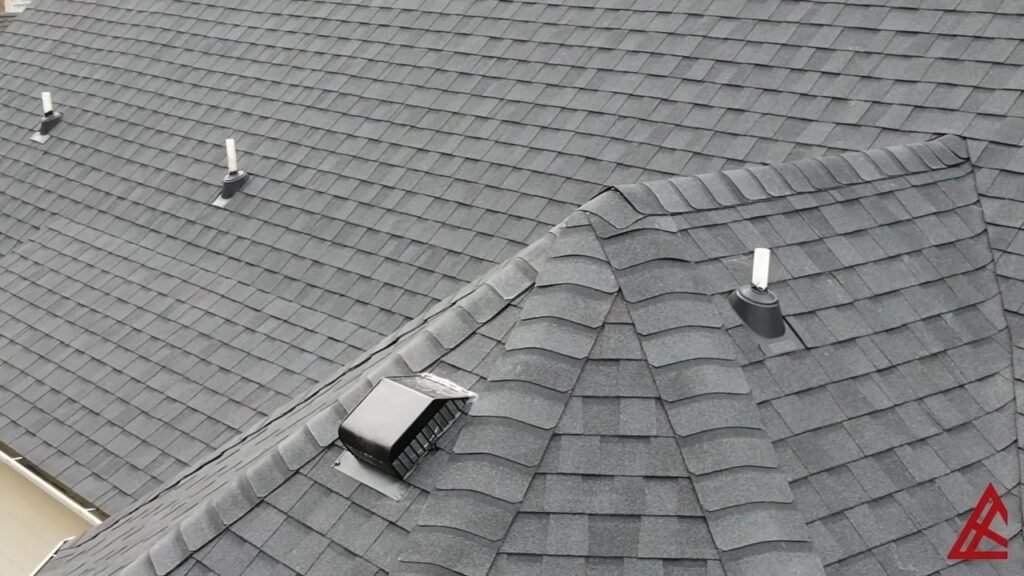
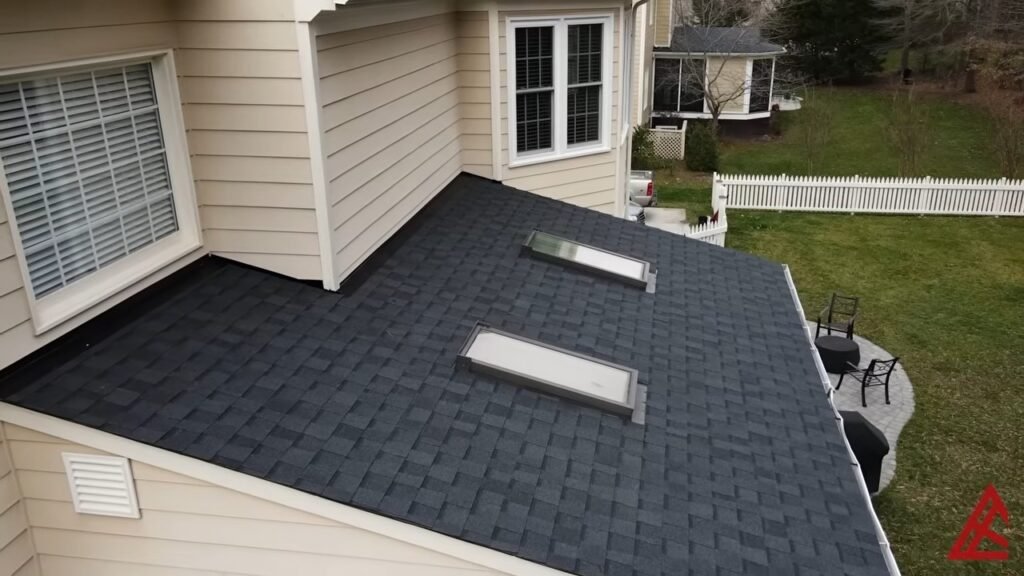
Mold or Discoloration Near Vents, Skylights, or Chimneys
These are the most common leak-prone areas on San Diego roofs — flashing around them wears down over time and is often overlooked.
Peeling Paint or Bubbling Drywall
Trapped moisture behind walls or ceilings can cause paint and drywall to bubble, crack, or peel.
Not sure if what you’re seeing is a real leak? Our team can inspect your roof and give you a clear answer no guesswork, no pressure.
Why You Shouldn't Wait on a Roof Leak
Structural Damage
Water seeping through your roof doesn’t stay in one spot — it travels along rafters, sheathing, and beams. Left long enough, wood begins to rot and weaken, turning a simple patch job into a full structural repair.
Mold Starts Fast
Attics are dark, often poorly ventilated, and exactly where mold thrives. In San Diego’s coastal humidity, it doesn’t take long for a small leak to turn into a mold problem hiding above your ceiling.
Pest Problems
Damp, rotting wood attracts termites, carpenter ants, and other pests looking for moisture and an easy way in. Once they establish themselves in a weakened roof structure, you’re dealing with a pest infestation on top of the leak.
Ceilings Get Damaged
Water travels down through drywall and paint before it ever shows up as a visible stain. By the time you see it, the damage is often already spreading — bubbling paint, sagging ceilings, softened drywall.
It Doesn't Stop on Its Own
A roof leak doesn’t pause or seal itself. Every rainfall — even a light one — pushes more water through the same weak point until someone finds and repairs it.
Insurance Gets Costly
Most homeowner policies cover sudden roof damage but the longer a leak goes unreported, the harder it becomes to prove it wasn’t neglect. Delayed action can affect what your insurer is willing to pay out.