Where Do Water Leaks Come From
Not all water leaks show up the same way and around San Diego, they don’t all start in the same place either. Between our clay-heavy soil, occasional seismic shifts, and aging infrastructure in older neighborhoods like La Jolla, Point Loma, and North Park, a professional eye usually finds what guesswork misses.
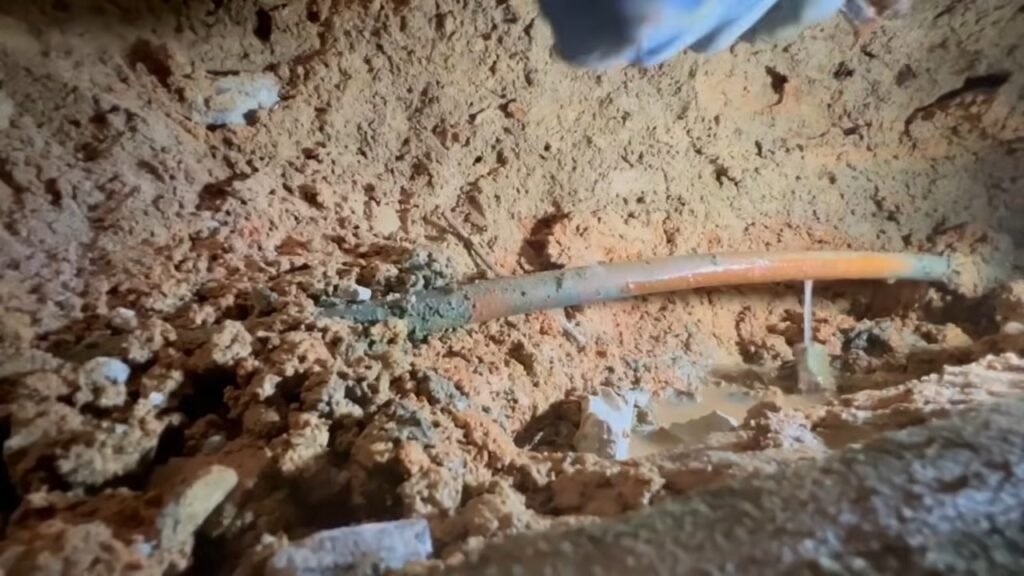
A lot of leaks start outside, in the yard or along the main line, as our expansive clay soil swells and contracts with the dry season and puts constant stress on buried pipes. Mature trees in areas like South Park and Kensington add another risk, with roots creeping into aging lines.
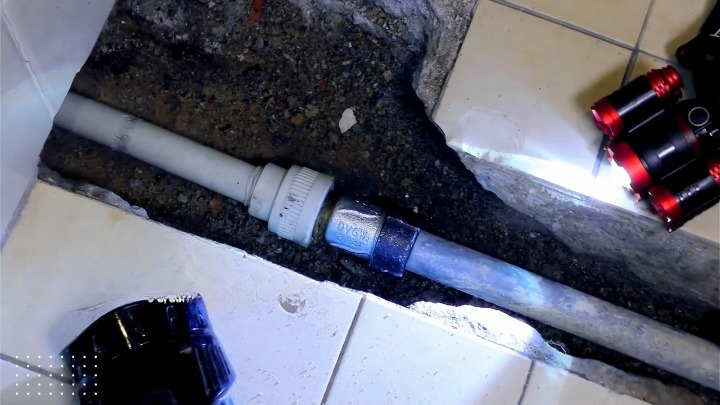
Joints and fittings are another common failure point, especially in older homes across Clairemont and Normal Heights, where original materials have simply worn out over time.
Appliances and fixtures water heaters, dishwashers, toilets can also loosen and leak, often hiding behind walls or under the unit itself.
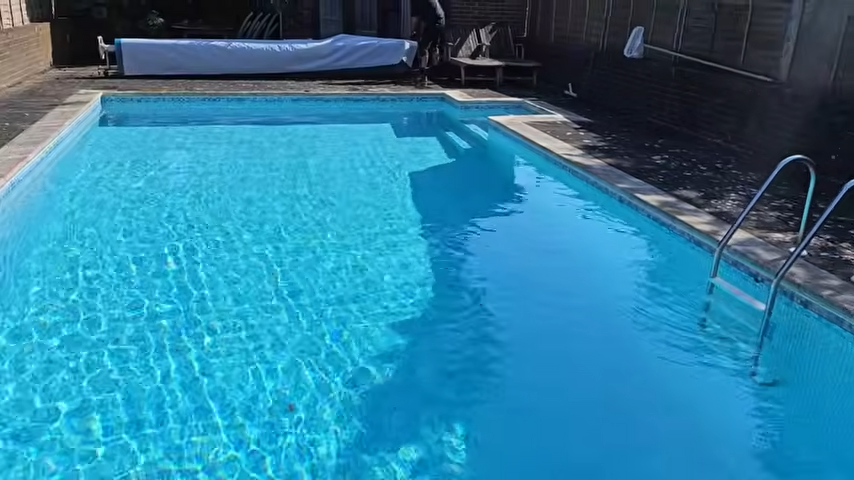
Pools and spas are vulnerable too, particularly on older properties where clay soil movement or coastal salt air has taken a toll.
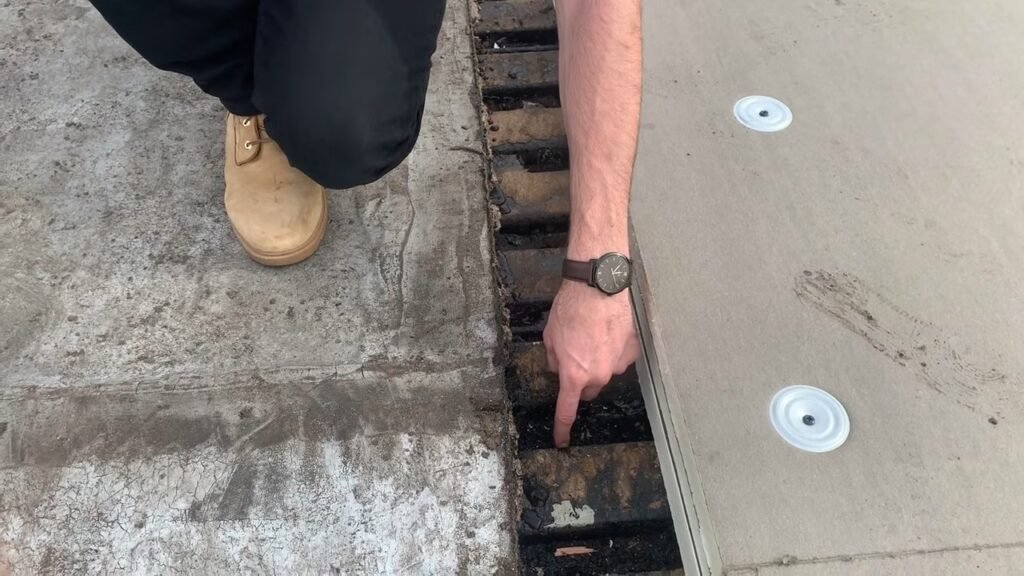
And the hardest to catch is the leaks inside walls or ceilings, which usually go unnoticed until staining or a musty smell gives them away.
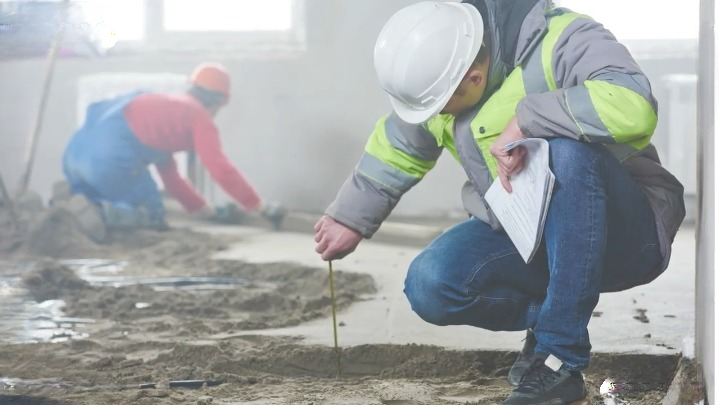
Not sure if what you’re seeing is a real leak? Our team can inspect your roof and give you a clear answer no guesswork, no pressure.
Why You Shouldn't Wait on a Water Leak
Foundation Damage
When water travels beneath your home undetected, it slowly washes away the soil supporting your foundation. As that soil erodes, the structure above it can shift and by the time you notice cracks or uneven floors, you’re looking at repair costs far higher than the leak itself would’ve cost to fix.
Mold Starts Fast
Wherever there’s trapped moisture and darkness, mold isn’t far behind. Between San Diego’s coastal humidity and a leak feeding the problem nonstop, it doesn’t take long for mold to work its way into walls or subflooring turning a plumbing fix into a full remediation project.
Water Bill Keeps Climbing
Because San Diego bills water in tiers, a running leak doesn’t just waste water it pushes your usage into more expensive brackets. Every day it goes unnoticed is money added to a bill you’ll never get back.
Flooring & Walls is Effected
Moisture doesn’t stay put it spreads upward and outward into everything nearby. Hardwood starts to warp, tile shifts, carpet holds onto dampness, and drywall softens. The longer the source goes unfixed, the more of your home ends up needing repair.
It Doesn't Stop on Its Own
Water pressure doesn’t ease up over time if anything, a small crack or worn fitting tends to get worse. Without intervention, the same weak point keeps leaking day after day until it’s physically located and repaired.
Insurance Gets Costly
Most policies are built to cover leaks that happen suddenly, not ones that have been quietly running for weeks or months. The longer a leak goes unaddressed, the tougher it can be to prove it was sudden — which puts your coverage at risk.