Why Slab Leaks Are So Common In San Diego
San Diego city has a specific problem that most homeowners don’t think about until it shows up on their water bill or under their feet.
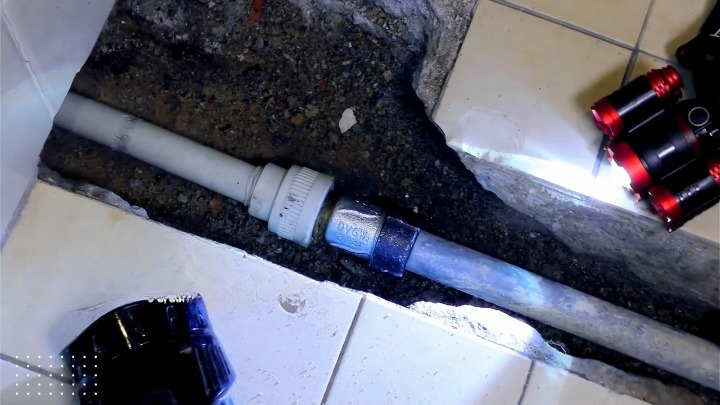
A huge portion of the homes were built in the 1950s and 60s all slab on grade, all with copper lines running underneath the foundation. That copper is now somewhere between 60 and 70 years old, and it’s been dealing with San Diego’s water the entire time. The city’s water supply is imported and mineral-heavy around 260 to 310 parts per million, which puts it in the “very hard” category and near the top of that list for Southern California. Hard water and copper don’t get along over time. The minerals slowly eat the pipe from the inside, creating tiny pinhole leaks that nobody sees because they’re happening under a concrete slab.
There’s also the heat cycle problem. Hot water lines expand every time hot water runs through them and contract when it stops. Do that thousands of times over decades, with a copper pipe sitting against concrete beneath your floor, and it eventually wears through. That’s why a warm spot on a tile floor especially in the kitchen or hallway is usually the first thing people notice before they call us.
None of this is unusual for a San Diego home. It’s just what happens to pipes of that age in this city. The difference between a manageable repair and a much bigger problem is usually just how long it went before someone made the call.
Not sure if what you’re seeing is a real leak? Our team can inspect your roof and give you a clear answer — no guesswork, no pressure.
Why You Shouldn't Wait on a Slab Leak
Foundation Damage
Water moving beneath your slab erodes the soil underneath it. Once the soil shifts, the foundation moves with it and foundation repairs cost significantly more than fixing the leak ever would have.
Mold Starts Fast
Damp, dark spaces under a slab are exactly where mold grows. In San Diego’s coastal humidity, it doesn’t take long and once mold gets into your subfloor or walls, you’re dealing with a remediation job on top of the leak.
Water Bill Keeps Climbing
San Diego runs on tiered water pricing. A slab leak running 24 hours a day will push you into higher billing brackets fast, and every day it runs is money you won’t get back.
Flooring & Walls is Effected
Water wicks upward through concrete and into whatever’s above it hardwood warps, tile cracks, carpet stays damp, drywall softens. The longer it runs, the more material needs replacing.
It Doesn't Stop on Its Own
A slab leak doesn’t slow down or seal itself. The pressure in your water line keeps pushing water through the same break, every hour of every day, until someone finds it and fixes it.
Insurance Gets Costly
Most homeowner policies cover sudden and accidental leaks but the longer a leak runs, the harder it becomes to argue it was sudden. Delayed action can affect what your insurer is willing to cover.